NEWS
SHARE-CTD Activities at the 2026 ISCB-GMDS Conference
2026.10.05
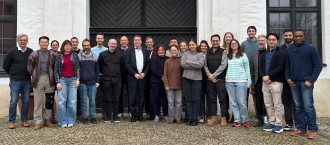
This year, the annual meetings of ISCB and GMDS took place as a joint conference from 27 September to 1 October in Freiburg (Germany).
Members of SHARE-CTD played an active role in the conference. Jifan Wang (UMCU, "Cross-design evidence synthesis in individual-participant data meta-analysis of treatment
effects: a scoping review of methods and recommendations for reporting and conduct") and Mian Haider Ali (LMU, "Evaluating the impact of imputation under missing-at-random and missing-not-at-random mechanisms on the performance of treatment response prediction models") presented their work in poster sessions.
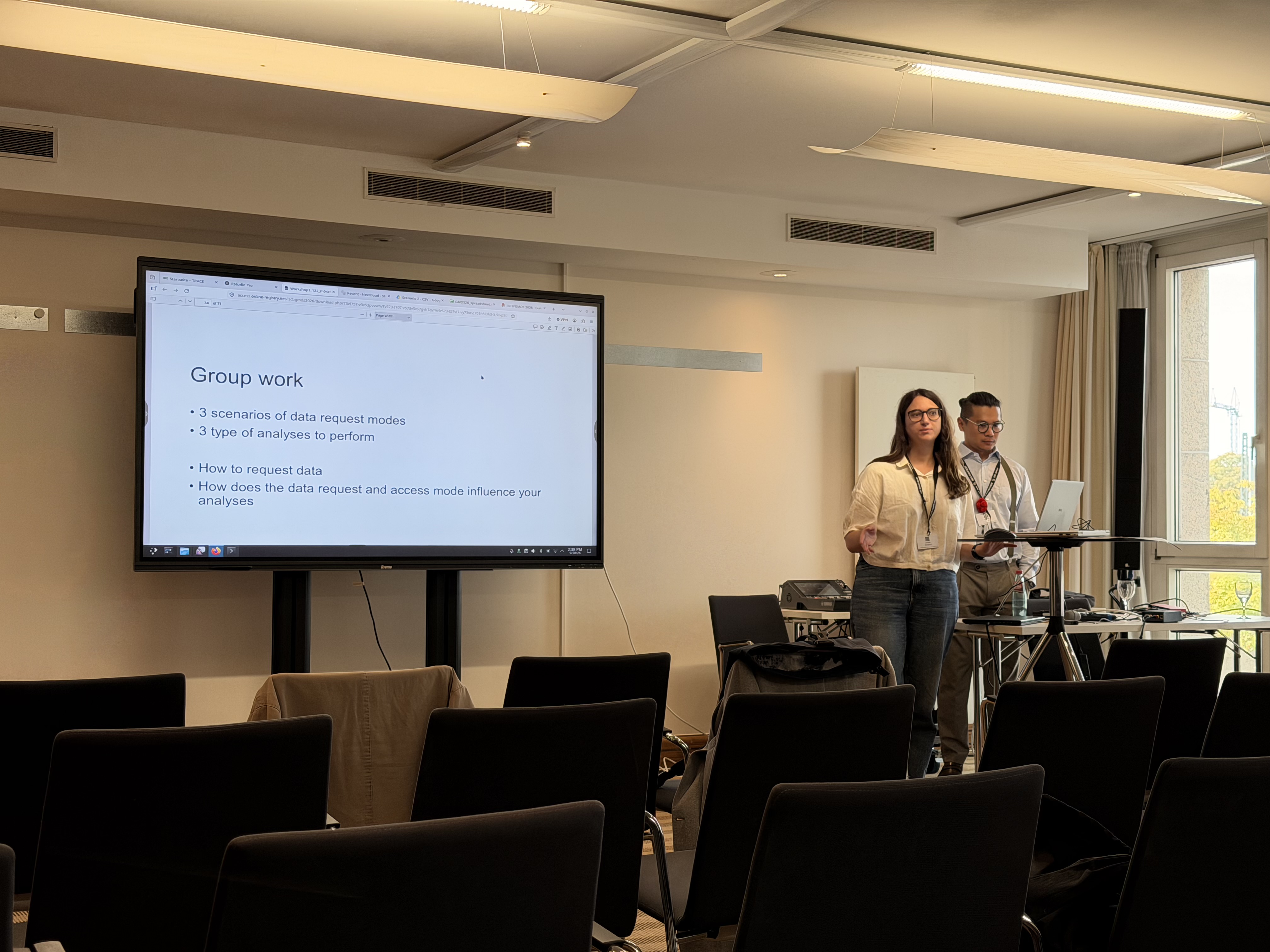 Giulia Varvarà (UnivRennes) and Ka Hin Tai (UnivRennes) had held a workshop on data sharing and reuse together with colleagues from the IBE at LMU (Munich).
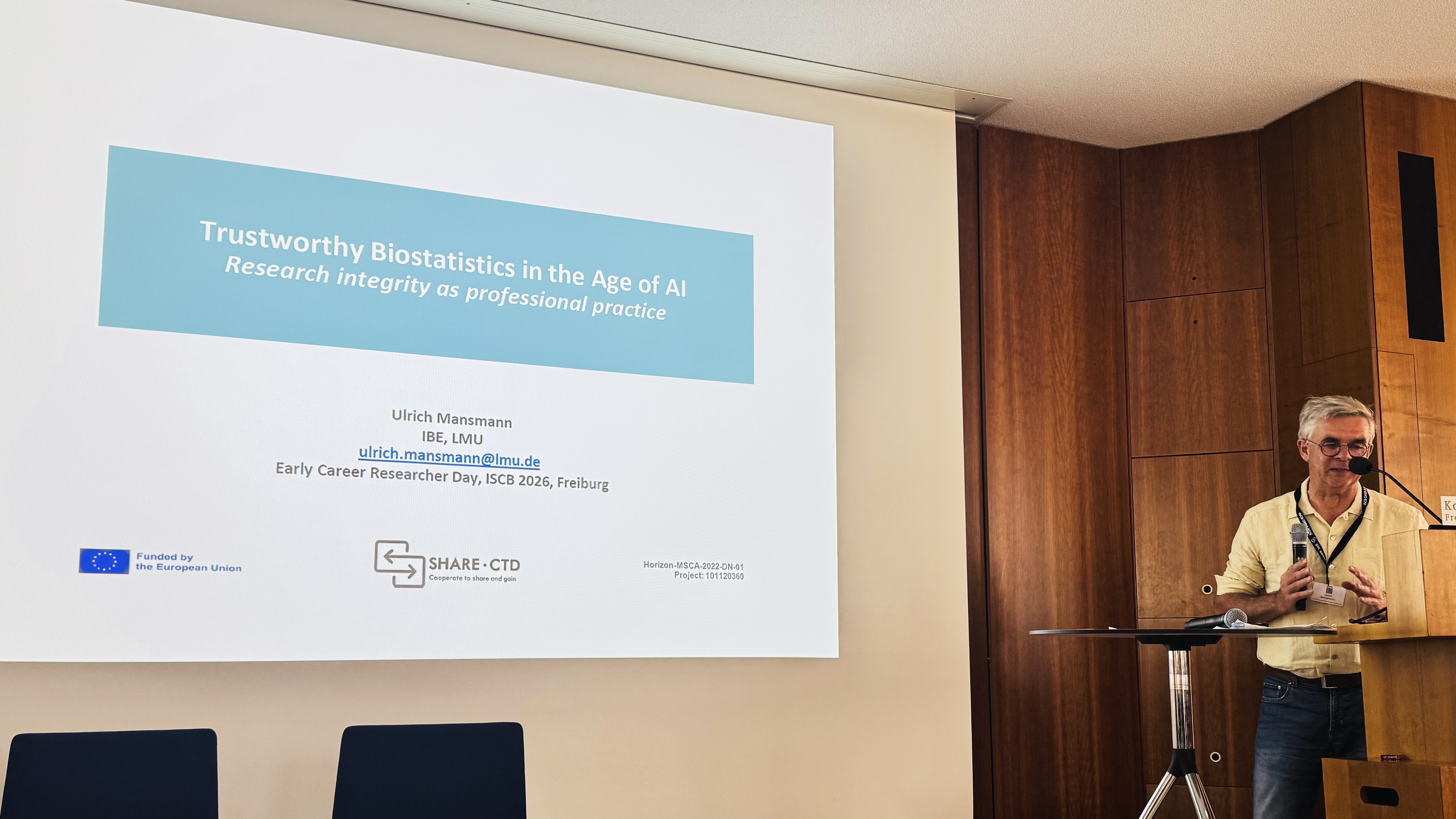 Ulrich Mansmann (LMU) spoke to young researchers at the "Early Career Researcher Day" on the topic "Trustworthy Biostatistics in the Age of AI: Research Integrity as Professional Practice".
Many thanks to everyone involved to make the work of SHARE-CTD visible!
Third Datathon, September 7–11, 2026, in Göttingen
2026.09.14
From 7 to 11 September 2026, the third SHARE-CTD datathon took place under the direction of Florian Naudet (Université de Rennes) and Ulrich Sax (UMG). A total of 11 international doctoral students participated in the event.
The students were divided into three independent teams and embarked on self-chosen research projects investigating the clinical application of esketamine. Building on the clinical trial data provided by YODA during Datathon 2, Datathon 3 again involved secondary analyses of trial data, but with a substantially greater degree of intellectual autonomy regarding topics and methods.
While Datathon 1 focused on reanalysis and Datathon 2 focused on meta-analysis of individual participant data, Datathon 3 required the students to conduct a methodologically rigorous study and formulate and address a clinically meaningful research question. This represented an important step in their development as independent researchers. It is also worth noting that the three projects were based on three pre-registered SAPs.
The doctoral students were supported by Ioana A. Cristea (UNIPD), Valentijn de Jong (UMCU), Ulrike Held (UZH), Ulrich Mansmann (LMU), Florian Naudet (University of Rennes) and Martin Plöderl (PMU).
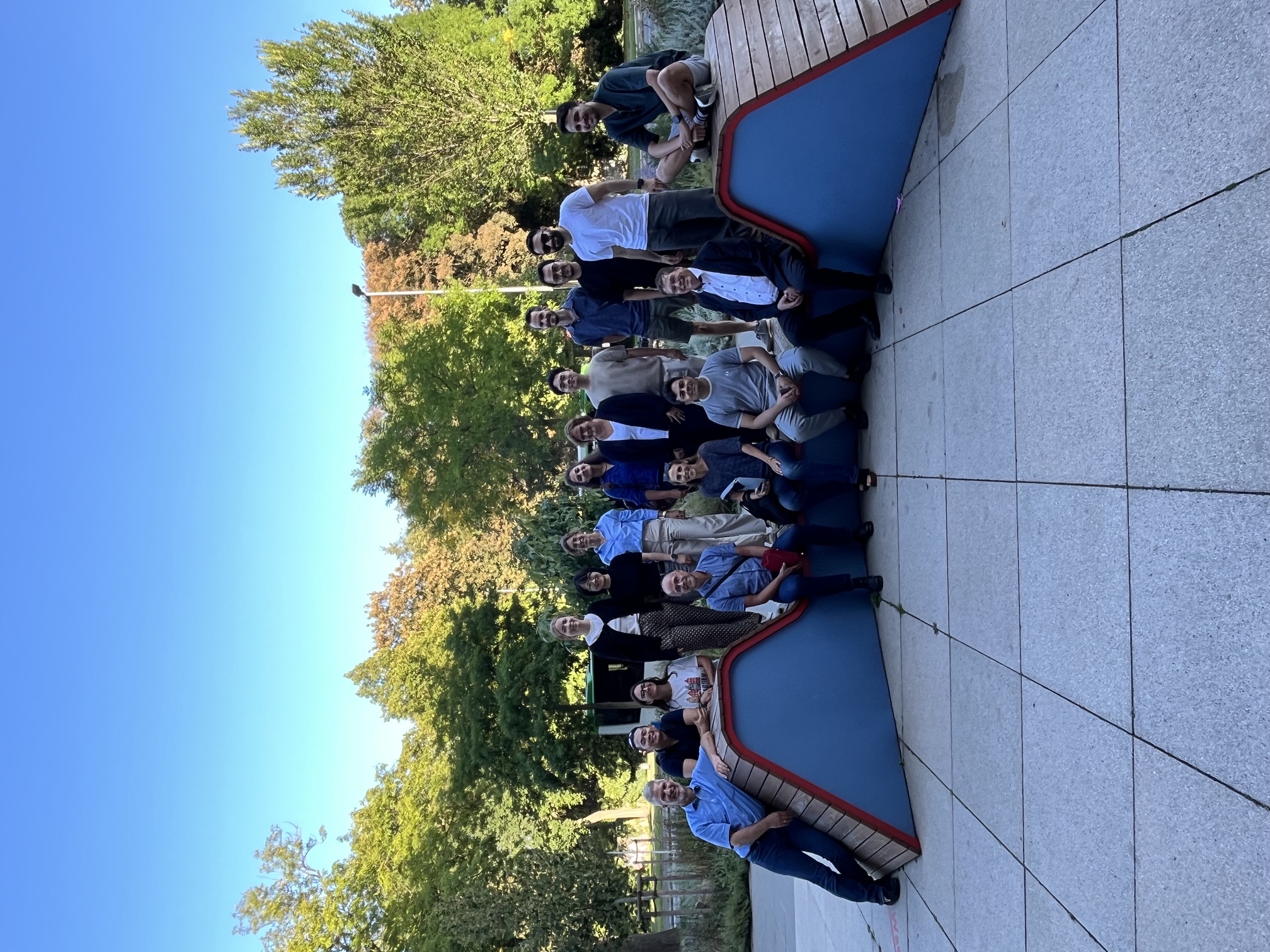
At the end of the intensive working week, the three teams successfully presented their results to a select audience in the auditorium of the Göttingen Computer Center (GWDG). Congratulations on the successful presentations and results. The results are indeed very promising, and all three teams are now refining their manuscripts. Stay tuned!
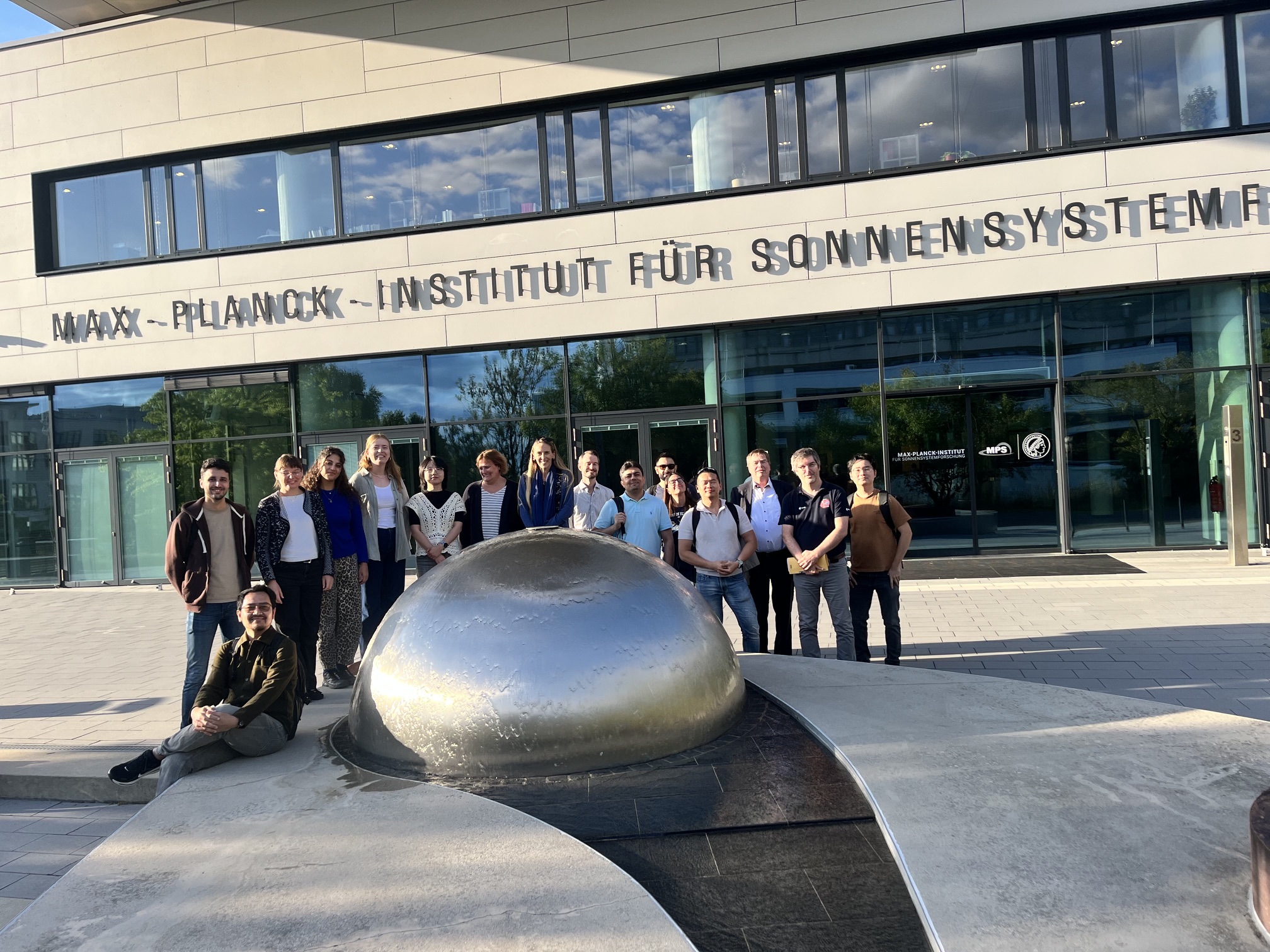
To ensure the week wasn’t dominated solely by data analysis and presentations, a varied social programme was also organised: Visits to the Forum Wissen and the Max Planck Institute for Solar System Research provided opportunities to expand general knowledge. Vocal cords were put to the test during a karaoke night, while the Teamwork Battle Games tested action, skill and knowledge.
With the professional training ( PT3) now scheduled for 3 November 2026, another important milestone is on the horizon. The project’s final conference will follow in September 2027. All 11 doctoral candidates are expected to have successfully defended their theses by the end of 2027.
We wish everyone involved continued success on their journey towards this goal!
Final conference of the SHARE-CTD project: September 2027, Berlin
2026.04.30
The closing conference of the SHARE-CTD project will take place on September 13, 2027, and September 14, 2027, in Berlin at the Kaiserin Friedrich Foundation, organized by Charité Berlin and LMU.
Science Communication
2026.04.14
On 03.11.2026 the last full-day professional training of our doctoral students will take place virtually under the direction of Brigitte Strahwald & Dr. Felicitas Witte. The topic will be Science Communication.
Principal Investigators








Partners










Associated Universities